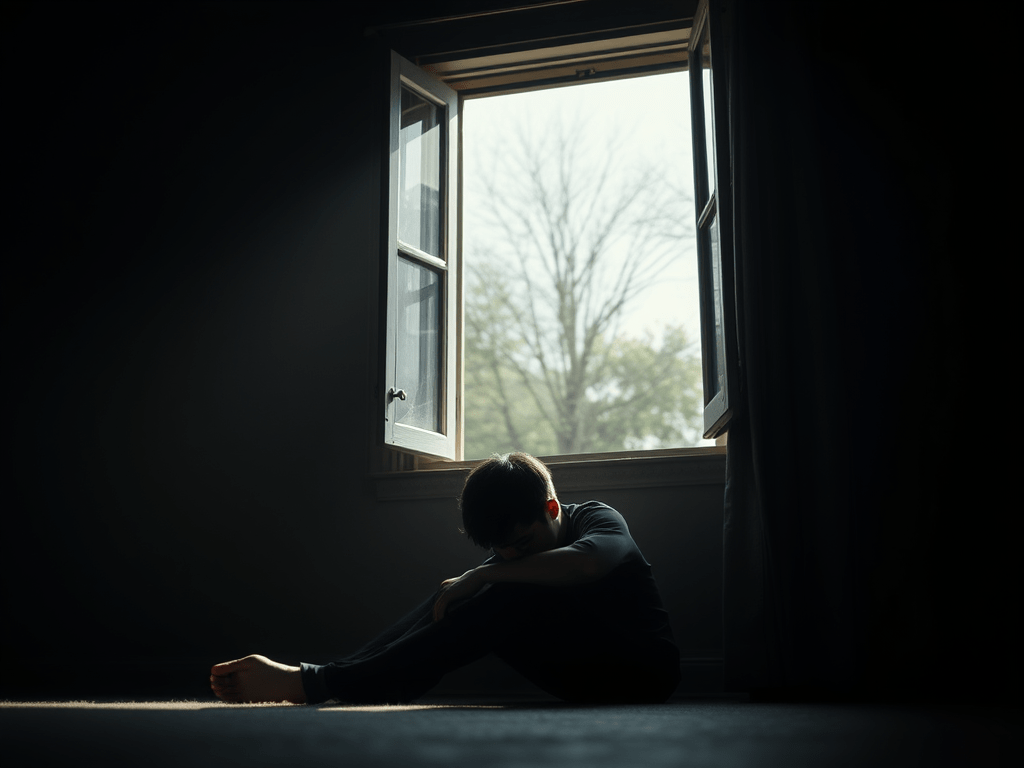
Living with bipolar disorder, attention deficit hyperactivity disorder, and dissociative identity disorder often triggers a range of emotions. My first diagnosis, Bipolar II with psychotic features, felt like a death sentence for any chance of a happy and productive life. I did have a sense of relief, finally to have a name for what I experienced. However, my family’s negative attitude about mental illness contributed to my internalized shame and self-hatred. The diagnosis gave me the answer to the “why” I was the way I was, yes, but to my family, having a mental illness meant being crazy. This essay is not meant to negate the truth behind all my “whys”; it is about looking into what parts of me, such as my personality, identity, personal beliefs, likes, and dislikes, my diagnoses cannot tell me.
Later, dissociative identity disorder (DID) and attention deficit hyperactivity disorder (ADHD) were added, which, as the bipolar did for me, gave me a name for my symptoms, but it did not tell me about the layers of what makes me unique. It did not explain my capacity for strength and resilience despite my suffering. The diagnoses identified and named my symptoms, but my symptoms don’t show the world who I am and what I am about. I am more than my diagnosis. In fact, I view my dissociative identity disorder as a blessing, my mind’s creative way of surviving much pain. Children and adults with ADHD are often very creative and imaginative individuals, which can shape a life of imagination, insight, and resilience.
A diagnosis seems to identify limitations. It does not tell me about the strength I could find amid challenges, especially with the DID, which means that I have more than one personality in my body. I have learned that my strength and resilience lie in each different part. The diagnosis did not tell me I would find talent or knowledge, which I didn’t know I possessed. It didn’t tell me that I could develop meaningful relationships with others who share similar experiences. It can bring people closer, create understanding, and inspire compassion.
The ADHD diagnosis did not tell me that I could express myself uniquely if I harnessed my energy into creativity and productivity. I am a good multitasker and can accomplish many different things, with medication, of course, but the talent is still there. With the frequent embellishments of my past, the diagnosis did not tell me that I would be a great short story writer if I channeled that imagination on paper or in front of a computer screen. It didn’t tell me that I would draw from my experiences, creativity, poetic expression, and great storytelling.
The diagnosis of bipolar II with psychotic features did not tell me I could genuinely care about and understand people on a deeper level than others who have never experienced the darkness of depression, or the aftermath of mania and impulsivity. I am a very empathetic person and understand things that society and my family deem “abnormal”, forming a compassion in my heart, which people who have never experienced the challenges of extreme mood shifts or psychosis can understand.
When I received the multiple diagnoses, I feared they would give people the wrong impression of me. Over time, I have come to understand that all my diagnoses are merely one part of who I am. They did not tell me I would be a good friend, a writer, or a dreamer—roles that have nothing to do with mental illness. It could not predict how I would grow, change, gain strength, and reinvent myself over the years. My diagnosis did not tell me about my relationships. It didn’t predict how some people might step away, while others would step closer. Nor did it explain how my understanding of myself would deepen my empathy for others.
Most importantly, my diagnosis did not tell me how to love myself. It provided insights into my brain and behavior, but it didn’t teach me that I could still be worthy of love, joy, and acceptance. The misguided beliefs of my family and society tell me that I am crazy or somehow less than. However, I have learned that my worth is not dependent on clinical diagnosis. I can love myself, despite my diagnosis, for all that I am and all that encompasses me. I can express myself, accept myself, care for myself, and others, treat myself and others with kindness and compassion. These things I have learned about myself, my diagnosis could not begin to tell me.




 Kelly Dawn
Leave a comment